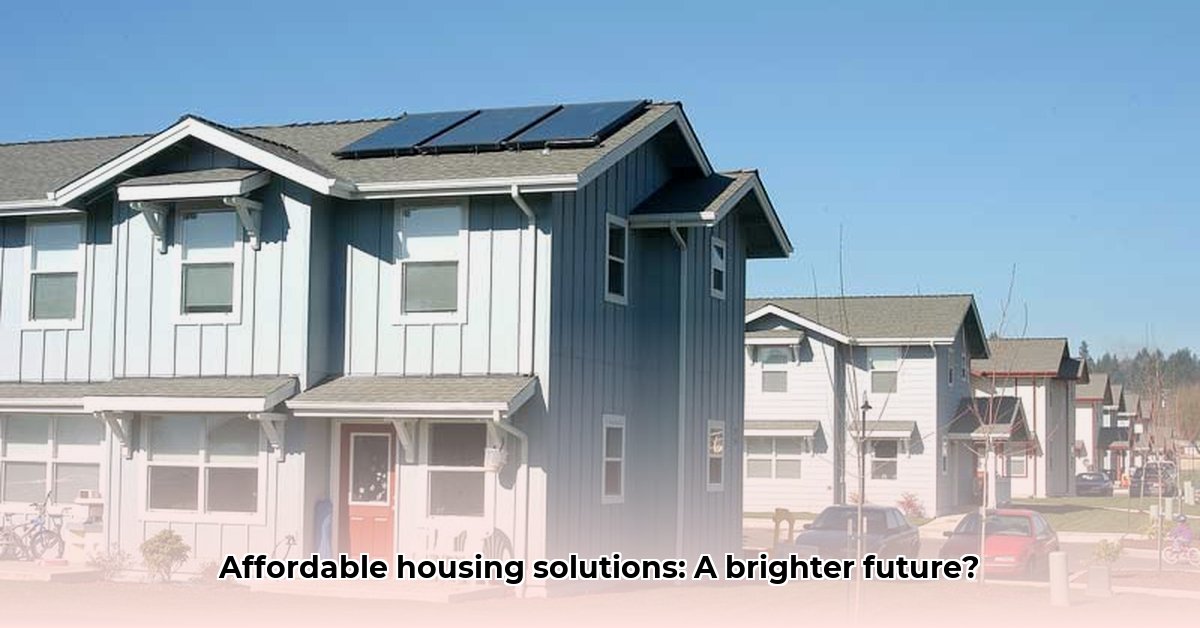
Affordable housing is a critical societal need, and the individuals responsible for its effective management play a crucial role. Grand Management's Chief Operating Officers (COOs) are at the forefront of this challenge, navigating complex financial landscapes and operational demands to provide safe, stable homes. Their work goes beyond simple property management; it's about building thriving communities. How do they achieve this? This article explores their strategies, challenges, and the future of affordable housing management.
The COO's Role: Orchestrating Success in Affordable Housing
Being a COO at Grand Management is far from simple. It requires a multifaceted skill set, demanding financial acumen, operational expertise, and a deep understanding of community building. They are responsible for the smooth functioning of every aspect of their properties, from ensuring structural integrity and resident safety to navigating complex regulations and securing funding. "It’s a balancing act," explains Sarah Chen, COO at Grand Management's Willow Creek Apartments, "We need to provide a safe and affordable living environment while also respecting the community's financial needs." This includes proactively addressing maintenance issues to avoid larger, costlier repairs.
Beyond the operational tasks, these COOs foster a strong sense of community, creating supportive environments where residents feel valued and connected. They act as mediators, problem solvers, and often, a reliable point-of-contact for residents' concerns. Isn't this a vital aspect of affordable housing that goes beyond just bricks and mortar? This emphasis on community fosters tenant loyalty and reduces turnover – a key factor in long-term financial stability.
Measuring Success: Key Performance Indicators (KPIs)
To ensure success, Grand Management COOs monitor key performance indicators (KPIs) that track the financial and social health of their properties. These metrics aren't just numbers; they represent the overall effectiveness of their management strategies.
- Occupancy Rates: High occupancy (above 90% is considered ideal) directly correlates to financial stability, ensuring continued provision of affordable housing.
- Tenant Satisfaction: Regular surveys and feedback mechanisms gauge resident satisfaction, indicating the quality of living and the effectiveness of community initiatives. High tenant satisfaction leads to longer tenancies and reduces turnover costs.
- Maintenance Costs: Efficient maintenance minimizes expenses and prevents larger, costlier repairs later. Proactive maintenance is paramount to long term cost-effectiveness.
- Regulatory Compliance: Strict adherence to all regulations is crucial to avoid penalties and ensure property operations remain uninterrupted.
- Tenant Turnover: Minimizing tenant turnover reduces financial strain associated with vacancy costs and re-marketing expenses.
Below is a sample comparison of performance across different properties, highlighting the importance of benchmarking:
| Property Name | Occupancy Rate | Tenant Satisfaction (Avg. Score on 5-point scale) | Maintenance Costs (Annual) | Regulatory Compliance Status | Tenant Turnover Rate (Annual) |
|---|---|---|---|---|---|
| Willow Creek Apartments | 92% | 4.2 | $15,000 | Compliant | 8% |
| Oakwood Terrace | 85% | 3.8 | $20,000 | Compliant | 12% |
This data-driven approach allows for prompt identification and resolution of any potential issues, ensuring the long-term viability of each property.
Challenges and Triumphs: Adapting to a Changing Landscape
The role of a Grand Management COO is not without its challenges. Securing sufficient funding is an ongoing struggle, particularly given ever-changing government regulations. Maintaining properties while managing costs requires exceptional resourcefulness. However, these challenges present opportunities for innovation.
The adoption of technology is revolutionizing the sector. New software and digital tools streamline operations, improve communication with tenants, and facilitate efficient financial management. Grand Management COOs are embracing such innovations to enhance effectiveness and build stronger resident relationships. "Technology allows us to be more responsive to our residents’ needs," states David Lee, a COO at Grand Management, "and to manage resources more effectively." Improved communication tools also foster a greater sense of community, aiding in tenant retention.
A Look Ahead: The Future of Affordable Housing Management
The future of affordable housing demands adaptation and innovation. Grand Management COOs must remain proactive, embracing new technologies, building strong partnerships with local authorities, and developing sustainable models for delivering affordable housing. This requires a vision that extends beyond property management to encompass community development and social impact. The challenges are significant, but the potential for positive change—for providing stable and supportive homes for countless individuals—is equally vast.
How to Improve Financial Sustainability in Subsidized Housing Management
Grand Management COOs walk a tightrope: balancing resident needs with fiscal responsibility in subsidized housing. To ensure long-term sustainability, they employ several key strategies.
1. Strategic Cost Management: Maximizing Efficiency
Effective cost management isn’t about cutting corners; it's about strategic resource allocation. Every dollar saved can be reinvested into resident services or property improvements.
- Energy Efficiency: Implementing energy-efficient upgrades (LED lighting, insulation) significantly reduces utility costs.
- Water Conservation: Installing low-flow fixtures minimizes water bills.
- Waste Reduction: Implementing robust recycling programs lowers disposal costs.
- Preventive Maintenance: Regular maintenance prevents costly repairs.
- Technology Integration: Smart building technologies optimize energy use and reduce operational costs.
2. Revenue Enhancement: Diversifying Income Streams
Increasing revenue streams strengthens the financial foundation of subsidized housing.
- Rent Optimization: Careful market analysis ensures fair, maximizing-income rents without sacrificing affordability.
- Grant Applications: Actively pursuing grants and subsidies supplements operating budgets.
- Community Partnerships: Collaborating with local businesses can generate income and enhance community involvement.
- Value-Added Services: Offering additional services, such as after-school programs, increases property value and, potentially, revenue.
3. Risk Management and Financial Planning: Building a Solid Foundation
Proactive risk management and comprehensive financial planning are essential.
- Financial Modeling: Detailed financial models predict future expenses and revenues, enabling informed decision-making.
- Emergency Funds: Setting aside funds for unexpected repairs safeguards against financial instability.
- Regular Audits: Annual audits ensure financial transparency and accountability.
- Insurance: Comprehensive insurance coverage protects against unforeseen circumstances.
By implementing these strategies, Grand Management COOs ensure the long-term sustainability and success of their affordable housing initiatives. The future of affordable housing is bright, but it requires dedication, innovation, and a deep commitment to community.